

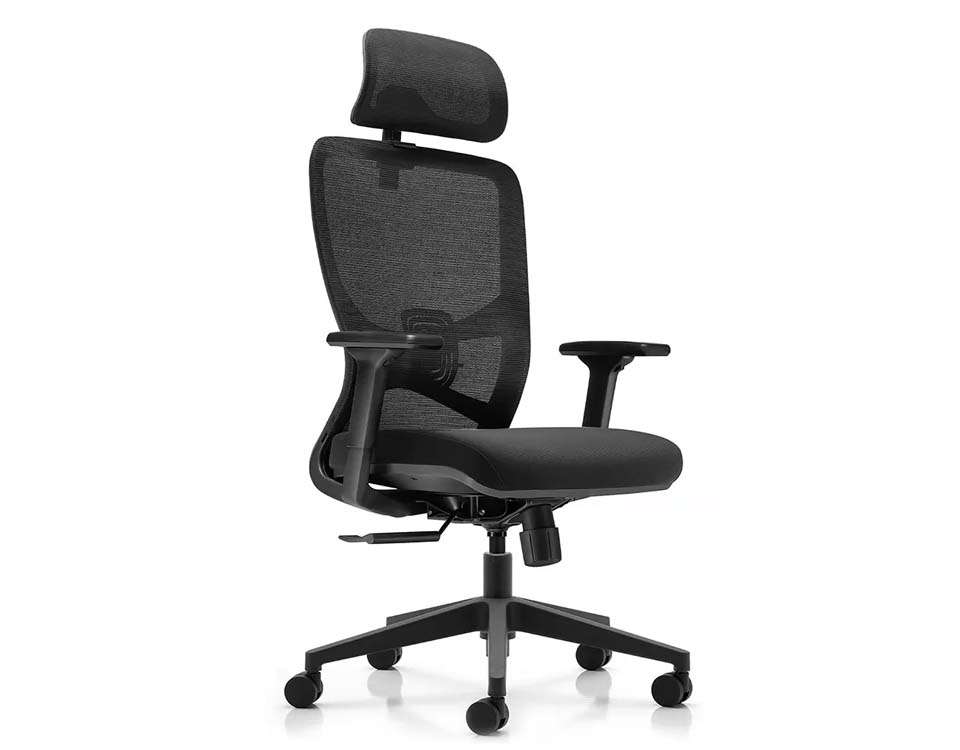

An office chair is an essential piece of furniture designed to provide comfort, support, and functionality during long hours of sitting in an office or home workspace. With a focus on ergonomics, a well-designed office chair helps reduce physical strain and promotes good posture, which can enhance productivity and overall well-being.
Key Features of an Office Chair
-
Ergonomics:
- Adjustable Seat Height: Allows users to adjust the chair to the correct height so their feet are flat on the floor and knees are at a 90-degree angle, which is crucial for maintaining good posture.
- Lumbar Support: Provides support to the lower back, following the natural curve of the spine. Some office chairs come with adjustable lumbar support, allowing users to customize it to their needs.
- Adjustable Backrest: The backrest should tilt and lock into different positions, allowing for flexibility in reclining while still supporting the back.
- Seat Depth Adjustment: Some chairs allow users to adjust the depth of the seat to ensure that there is enough space between the back of the knees and the seat edge, promoting proper circulation.
-
Material:
- Mesh Back: Breathable mesh materials are common in ergonomic office chairs. They allow air circulation to prevent heat buildup, making them ideal for extended use.
- Leather or Faux Leather: These materials provide a more polished and luxurious look and are typically found in executive chairs. They are easy to clean but may not be as breathable as mesh.
- Fabric: Soft and cushioned, fabric office chairs provide comfort but may not be as durable or easy to clean as leather or mesh.
- Cushioning: High-quality foam padding in the seat ensures comfort, especially for long hours of sitting.
-
Seat Design:
- Waterfall Seat Edge: This seat design promotes healthy circulation by reducing pressure on the back of the thighs.
- Swivel Base: A 360-degree swivel base allows users to move freely without straining, which is especially important in a busy workspace where movement is frequent.
- Seat Width: Office chairs should have enough width to comfortably accommodate users, with most standard office chairs ranging between 18 and 22 inches wide.
-
Armrests:
- Adjustable Armrests: Armrests should be adjustable in height and width, allowing the user to position their arms comfortably while reducing strain on the shoulders and neck.
- Padded Armrests: Provide additional comfort for extended use.
- Flip-up Armrests: Some office chairs have flip-up armrests that can be lifted out of the way for easier movement or when the chair needs to be slid under a desk.
-
Tilt Mechanism:
- Tilt Tension and Lock: The tilt mechanism allows the chair to recline and rock, promoting movement while seated. Adjustable tension controls let users set the resistance of the recline, while a tilt lock can hold the chair in a fixed upright or reclined position.
- Synchro-Tilt: This mechanism allows the backrest and seat to tilt together at different angles, keeping the user’s feet on the ground while reclining.
-
Mobility:
- Caster Wheels: Office chairs usually have rolling wheels for easy mobility. Casters are available in different materials, including soft casters for hard floors and harder casters for carpets.
- 5-Star Base: A five-point base provides stability and balance, reducing the risk of tipping over while the user is moving or adjusting their posture.